To humans, there may be few things that top a warm, comfortable blanket on a cold afternoon (add in a cup of hot coffee or cocoa and your girl is going to be snug as a bug). Blanketing horses in the colder months has always been a hot topic of debate.
The question of when, how much, and whether or not to bother blanketing is a yearly discussion in the equestrian community. Generally, horses grow the coat they need in response to changes in sunlight and may not ever need a blanket. However, there are certain circumstances that need to be considered against this rule of thumb to ensure your horse weathers winter comfortably.
Some considerations to have when deciding when and how to blanket your horse can include the type of feed and forage they have access to, their age and general metabolic function or health, any recent environment changes, moisture levels, and access to free choice shelter.
How Horses Keep Warm
To start, it’s important to know what keeps a horse warm in the winter (besides hair). There are many pictures circulating of horses with inches of snow on their back, covering them in their own personal blanket; why doesn’t it melt?
Horses grow their winter coat (in simple terms), when sunlight hours start to decrease and temperatures start to cool off as a response to their bodies producing more melatonin.
This winter coat is designed to grow to be an insulating layer, with lots of small space between hairs to keep air close and warm to the body without escaping into the atmosphere like it would in a sleek coat.
When body heat isn’t allowed to escape from a coat, snow isn’t melted down and continues to cumulate, creating even more insulation (think of an igloo).
A horse covered in un-melted snow is generally a very warm horse. In contrast, a wet horse in cold temperatures is almost always cold.
The horse’s body produces heat to keep this layer warm, mostly through the digestion of forage. Horses generally require more hay, feed, or other roughage during winter months in order to produce enough body heat to keep warm.
Regardless of traditional theories or “this is how we’ve always done it” ideologies, shivering horses are cold horses trying to burn a significant amount of calories to warm up. The only exceptions to this are specific medical conditions that should be addressed under the care of a qualified veterinarian.
If it is cold outside and your horse is dry, eating a lot of forage, otherwise healthy (and shivering) this horse could benefit from wearing a blanket.
Not All Winter Coats Are The Same
By and large, most horses acclimated to their current environment and in good health will grow a coat suitable for that environment’s winter. There are, however, considerations to take into account of why a horse may not grow an adequate winter coat.
Advanced Age
Older horses may have a harder time dedicating nutrients to growing good-quality coats. if your horse is a hard keeper and drops weight easily, consider blanketing to help conserve energy burned to keep warm and keep a little weight on.
Change of Environment
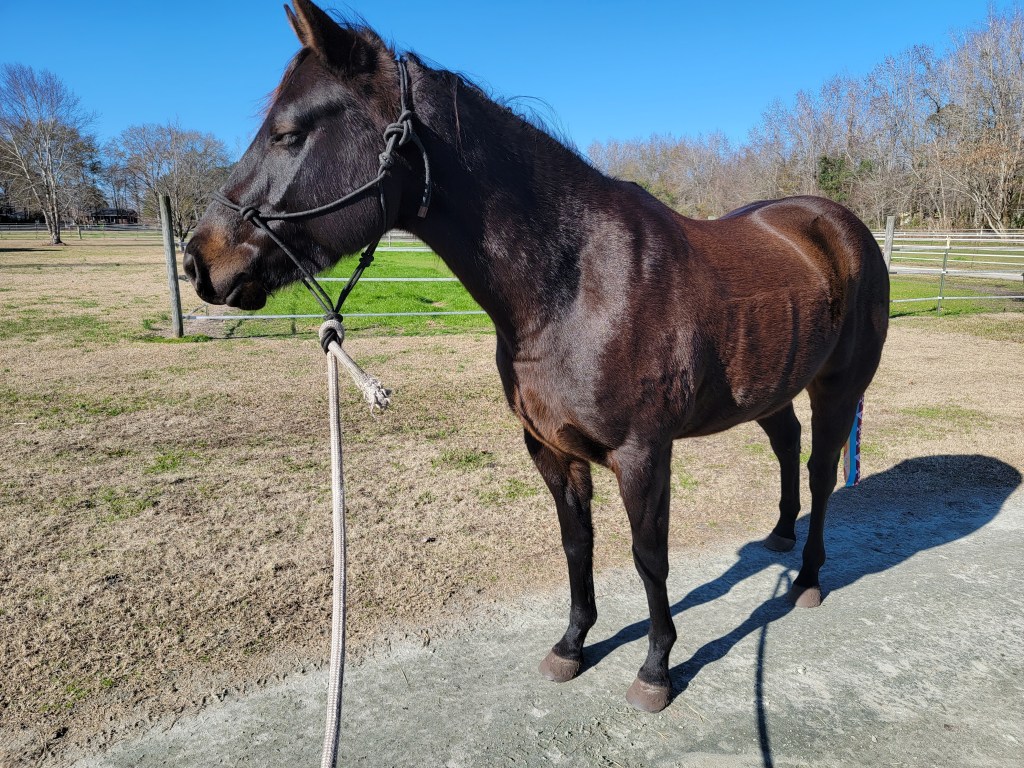
A horse that has lived in Florida for a year or two and sold in October to Jim Bob in North Dakota may very well need a heavy blanket for their first winter season in their new home.
Going from 60 degrees to -30 degrees is a sharp drop, and a week-long road trip isn’t near enough time for a horse’s body to acclimate to a new ecosystem.
Showing
A lot of horses that show at high levels are kept on a blanketing, indoor/outdoor, or traveling schedule to keep that sleek summer coat year-round. Horses that show at lower-level events in the winter may be on this same style of blanketing schedule to appear more kempt when showing.
A Clipped Horse
While not everyone blankets and stalls to keep a sleek summer coat, others that ride intensively in the winter may clip a horse’s winter coat to prevent excessive sweating. A sweaty (wet) horse is a cold horse if it can’t dry (and depending on how thick the coat is, this could take a very long time).
Often horses that ride regularly and sweat are clipped and blanketed to make sure excess moisture isn’t trapped against the skin, and the horse can comfortably dry out. Considering a clipped horse has 25-90% of their coat shaved off, they’ll need some extra artificial insulation to keep comfortably warm when not in work or a lesson.
A Warning About Wet Horses
If you live in a place like I do, we have more days of rain and mud than we do snow. The problem comes when these days are 50 degrees and raining, and then drop to below freezing at night in a matter of hours.
If a horse is considerably damp when this temperature drops, you will most likely have one that shivers to try and warm up. Water and sweat compromise the fluffy insulation that is a dry winter coat–it sinks down to the skin and creates an escape route for body heat (this is why we hose down hot horses in summer).
In this type of environment, I try and check the weather to see if the horses have enough time to dry out before the temperatures drop. If they don’t, and the rain is going to turn into freezing rain or snow, I will put on their waterproof sheet or a medium-weight blanket with a waterproof sheet over that before the precipitation starts.
In non-emergency situations where your horse is wet and/or shivering, and you decide they will most likely need a blanket that night, try to dry your horse as much as possible first; in a stable, with a cooler, even a towel dry can help. While waiting on them to cool, place a heap of roughage or hay in front of them to eat to help raise body temperature as well.
This information is not to be used in place of veterinary advice. If you find yourself in an emergency situation where your horse is displaying signs of hypothermia, immediately call your veterinarian.
Blankets are heavy and compact a horse’s coat from their weight, reducing the natural insulation of that hair and supplementing it with the blanket’s filling. If a horse is wet on top of this, the horse will have a hard time drying out and making use of this extra insulation.
Choosing between just a sheet or double-stacking can depend on the rest of the weather (wind, etc.). My horses have shelter they choose not to use at the most inopportune times, so if the drop in temperature is significant with continued precipitation and cold-front wind, I’ll double-stack.
General Blanketing Tips
Deciding when and at what temperature to blanket can be a stressful time for any horse owner (or barn manager at that rate). Below are some general blanketing tips that will help define your parameters and help you decide on your horse’s blanketing schedule.
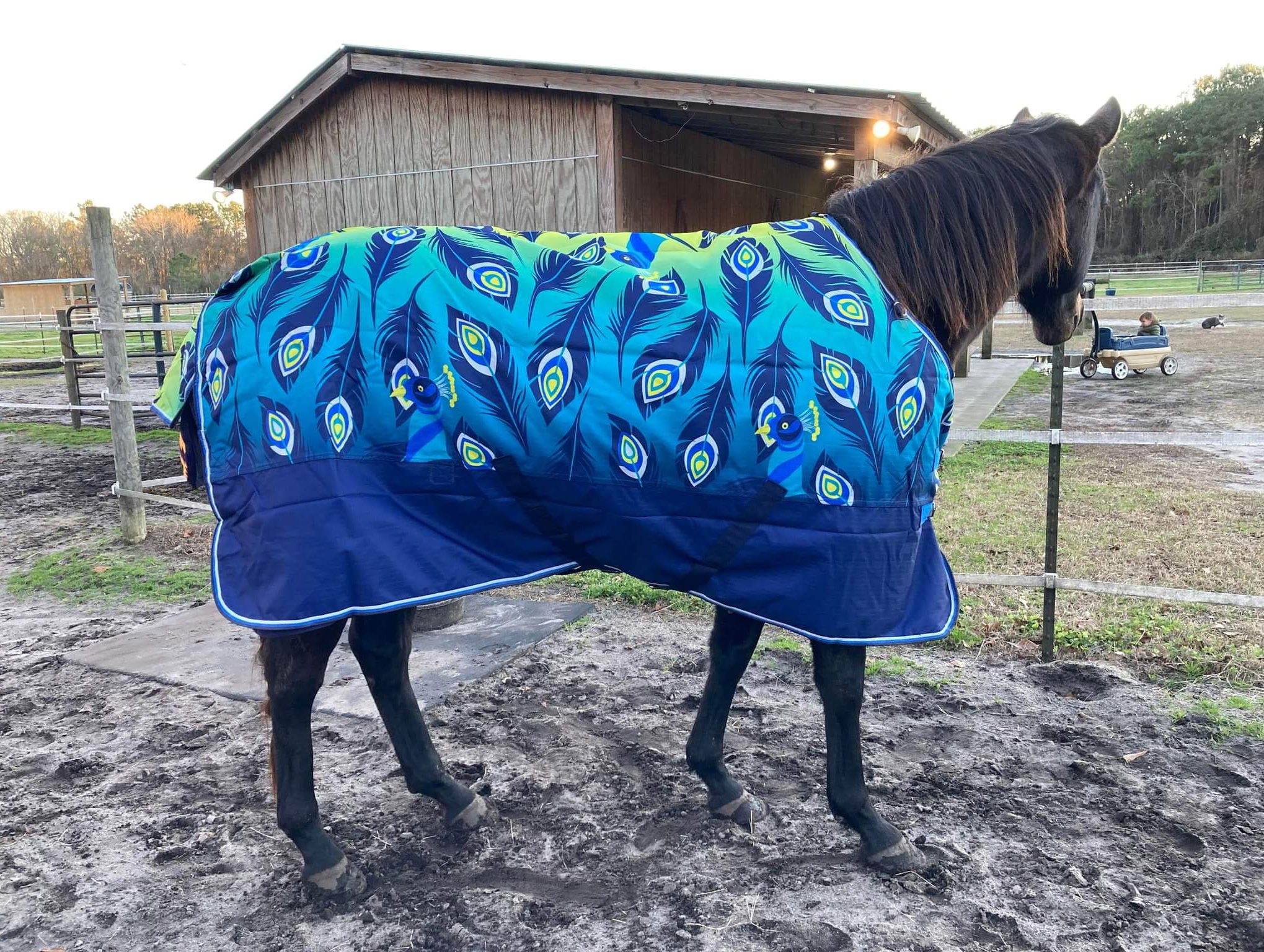
If You Blanket Early, You’ll Blanket Often
If you blanket early in the season, often a coat will not grow as extensively and as “fluffy” as one without a blanket. This is why people that show often throw a blanket on starting at 50-60 degrees, to deter this thick blanket from coming in.
In addition to this, if you are blanketing at temperate temperatures, but the highs of the next day are well above when you would put a blanket on (for example, 60-70 degrees), please take the blanket off your horse. Horses can sweat beneath a blanket if they get too warm, and if this blanket is kept on, this sweat has a hard time drying.
Blanket Weight
Blanket weight depends on the above-discussed variables. Let’s define a very cold climate as one with frequent snow and below-freezing temperatures most of the winter, even going into sub-zero temperatures. If you live in this type of a place and have a horse with a poor coat, one that’s intentionally clipped or is in an active winter show season, you will need a heavier (250g fill weight and above) weight blanket, with or without a neckpiece.
A horse in an environment that is more temperate, with some snow and temperatures that stay above zero for most of the winter, often can get by just fine with a medium-weight blanket (200g-250 fill), with a light (0g-100g fill) waterproof sheet for any dips below freezing to be safe.
A horse in a milder climate with temperatures regularly at or above freezing, with occasional cold spells below this, and more rain than snow, are often successful with either a no-fill waterproof sheet (0g fill) for those cold rainy days or a medium-weight waterproof blanket (100g-200g fill) for freezing rain or the occasional days below freezing.

Blanket Safety
Many blankets already come with a waterproof barrier; make sure to check this in the manufacturer’s description. If it isn’t already waterproof, you will need to treat this with a waterproofing solution compatible with your blanket’s material. A cold, wet horse in a heavy, wet blanket is a sorry sight.
Make sure when fitting your blanket or sheet you snug the belly straps enough to prevent a leg from going through a strap if they kick or stand up from laying down. In contrast, make sure it’s not so tight that it makes it uncomfortable for them to lie down if they wish.
Happy Winter!
Keep yourself and your horses warm and comfortable this winter season; these short days and long nights will be over before we know it.
Until next time, remember to grab some mane and enjoy the ride, and maybe pack an extra scarf.
 Part-Time Cowpoke