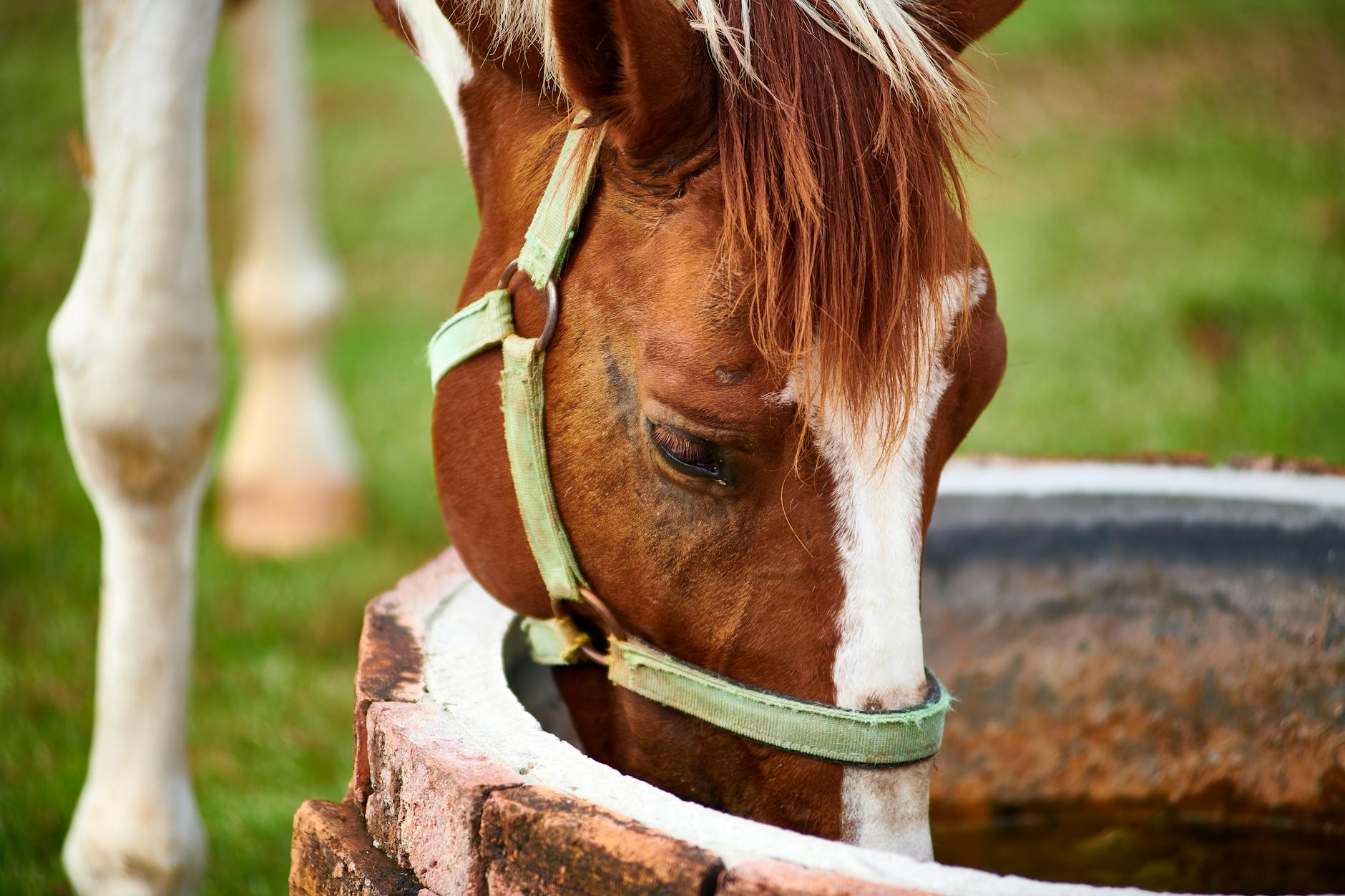
Anyone who works with livestock understands the importance of water and how hard, chaotic weather swings can affect the health and well-being of our animals. Horses, in particular, are prone to not drinking as much as they need during winter anyway, and rapid temperature dips, strong cold fronts, or bouts of poor weather don’t help with that problem.
Keep reading for strategies to improve your horses’ hydration this winter and help prevent dehydration-related colic episodes. These tips have worked well for me and my barn in the unpredictable Eastern North Carolina climate.
Remember that drastically switching up your horse’s feed can have a higher risk of colic than a cold snap. If you’re planning on introducing something like a new brand of mash that your horse has never had before, incorporate it before the cold snap as part of your winter routine.
What Makes Horses Drink Less Water?
An adult horse needs about 10 gallons or more of water daily for adequate hydration. In the winter, horses can drink less water for a few reasons, leading to dehydration, which is just enough to make it hard for hay and forage to pass through their digestive system (impaction colic).
Common reasons a horse might drink less water in the winter include:
- Frozen water troughs that are hard to break through.
- Sore joints from the cold make it uncomfortable for horses to walk to their trough frequently.
- Sore hooves from the frozen ground or extensive mud and rain.
- Cold water isn’t that enticing when it’s cold out already.
- Inclement weather means some horses prefer to stay under shelter most of the day rather than go out to their troughs.
Help Your Horse Hydrate
There are a few different ways to keep horses hydrated. Some tactics may be more or less complex logistically, depending on your setup and how large of a herd you’re dealing with. Let’s dive in.
Make Mushy Feed
One of the easier and cost-efficient ways to add extra water to your horses total intake is to wet their feed. I prefer adding hot water in temperatures under 40, only because I soak forage pellets overnight, and that water is already cold.
- Great for horses that get a reasonably-sized ration or have forage pellets in their ration that are soaked anyway.
- Not the greatest method for horses that have meager portions (easy keepers, usually).
Add Beet Pulp
Some people add soaked, no-molasses beet pulp shreds or pellets to a ration in the winter, which can significantly increase a horse’s hydration. Use discretion and consult your vet if you’re considering this route, though, since easy keepers don’t usually need the extra calories.
- Great for horses that tend to lean out over winter, or as an addition to rations for horses that need to gain weight.
- Not great for already overweight and very easy keepers.
Add Salt or Electrolytes to Your Horses’ Ration
Adding salt to a ration is another very economical strategy to encourage horses to drink, and I do it year-round. I’ve always been told to season your horse’s food depending on the volume rather than giving X amount. You can over-salt or over-electrolyte smaller rations to the point your horse will find it unpalatable, so season appropriately (some is better than none).
- Great for horses with a reasonable ration volume.
- Not great for horses that are picky.
Personal Favorites:
- Mad Barn Performance XL: Electrolytes – Mad Barn is a top favorite brand of mind. This formula is specifically developed to replace electrolytes lost in sweat, making it a great year-round supplement.
- Kentucky Performance Products Summer Games – a great brand and formula, also abalone-free.
- Farnam Apple Elite – commonly stocked at your local feed store, a great basic electrolyte mix.
Electrolyte paste is a good alternative for picky horses that won’t finish a meal with it mixed in.
In a pinch, I’ve also made a homemade paste (1 scoop of electrolyte powder with a few tablespoons of unsweetened applesauce) and syringed my horses that way. I try to time giving a paste after a meal, as concentrated electrolytes can potentially irritate an empty stomach.
- Great for horses after they eat
- Not the best for horses that currently have gastric ulcers
Personal Favorites:
- Farnam Apple Elite Horse Electrolyte Paste – good general electrolyte formula without a big price tag.
- Redmond Equine Electrolyte Paste – same great formula as Redmond’s loose minerals, in paste form.
- Kentucky Performance Products Summer Games Plus Electrolyte Paste—This formula includes a buffer compound, making it a better option for administering on an empty stomach.
- Finish Line Electrocharge – A fast-absorbing formula and one of my favorite brands.
Put out a salt or mineral block or free-choice loose minerals
Adding a salt or mineral block is a year-round addition that helps your horse balance their own mineral needs. Horses do statistically consume more salt when it is loose and free-choice compared to a compressed block, but not everyone has the ability to provide a loose salt container without it being rained on, pooped in, or dumped.
With these considerations, I opt for blocks year-round, but I don’t rely on this alone to keep my horses drinking. If I’m not adding electrolytes, I’ll add loose minerals to my horses’ rations.
- Great for barns that can easily set up a loose mineral trough
- Horses may not freely choose to consume enough minerals to encourage them to drink
Personal Favorites:
- ADM GroStrong Minerals** – smells amazing, a great formula that includes vitamins E and A.
- REDMOND Daily Red Crushed Loose Minerals – primarily made of sea salt with a comprehensive mineral and electrolyte profile
**
I used to be able to find this on Amazon and Chewy; however, neither has been in stock for a while. ADM does have a GroStrong Granule that is on my list to try with the same formula but a different look. It’s economical, too, at under $15.00 per 5-pound bag, and lasts a little under a month.
Add a water tank heater or heated buckets in stalls
This option is a long-term investment and can be costly, but worth it. I’ve heard mixed reviews on water heaters from cattlemen and folks out west. Some love them, and some don’t think they’re worth the trouble. For folks in North Carolina, it can be even more of a toss-up since we generally don’t see temperatures that can freeze water very often (this year has been an exception).
Pros:
- Warmer water than ice-cold is more appealing to horses.
- Depending on the temperature, you don’t have to break ice as often.
- Great option for those who stall their horses and have access to electricity.
- Options such as solar-powered are available for tanks that aren’t near a power source.
Cons
- Potential for shorts to happen and the water to shock your horses.
- May still freeze in very cold temperatures (think below 0 degrees F).
- Can be a costly investment for multiple horses.
- Submersible bucket heaters have cords that horses may like to chew on.
In my opinion, this kind of investment is best when dealing with horses that are easily monitored and already have a chronic pattern of not drinking a lot of water once it gets cold outside. The heated bucket option is one of my favorites, and I’ve had a couple of friends recently try out the Farm Innovators Heated Bucket and be quite happy with it.
Make a “Tea”
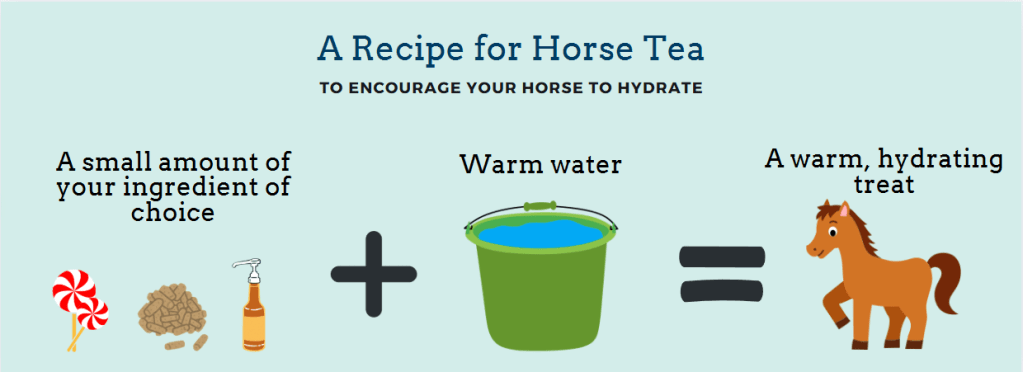
Making “teas” is one of my favorite ways to get horses to drink, although the younger horses don’t seem to grasp the concept quite as quickly. I typically use senior feed if I have it, but I have used alfalfa pellets, molasses syrup, peppermint, and applesauce.
Add a handful of whichever ingredient you pick to a water bucket and fill it with warm water. Let the ingredients dissolve for a bit and present it to your horse.
- Great for horses that don’t get a large enough ration to make into mush and have individual stalls or pastures.
- Sometimes, it doesn’t work for young horses that slosh the water around (mine included).
There are a few horse drink mixes on the market that specifically target boosting hydration, including:
- Gallagher’s Water
- Purina Replenimash
- Horse Quencher
- Equine Elixers Chug
- Hallway Feeds HandiMash
Other Tricks
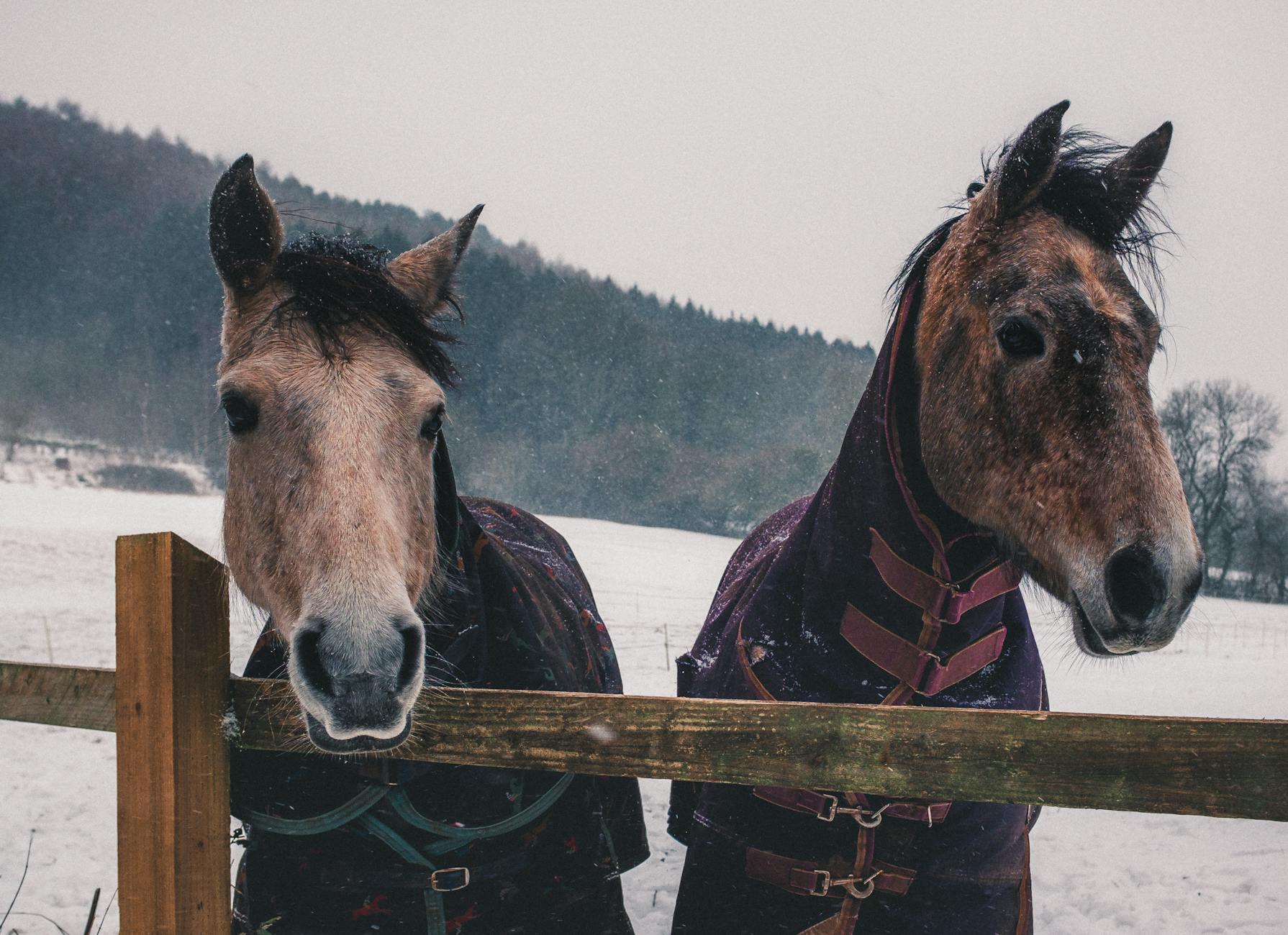
Other ways to encourage horses to drink and prevent colic this winter focus on making them as comfortable as possible. Blanketing and providing water under shelter are two additional strategies to help older horses be more comfortable and have easier access to water in bad weather. Adding medications or mineral oil to feed is another strategy that should only be done under veterinary supervision.
Keep Them Drinking!
As always, consult your veterinarian if you have any concerns about adding certain supplements or treats to your horse’s feed routine this winter, especially for horses with weight or metabolic conditions.
 Part-Time Cowpoke