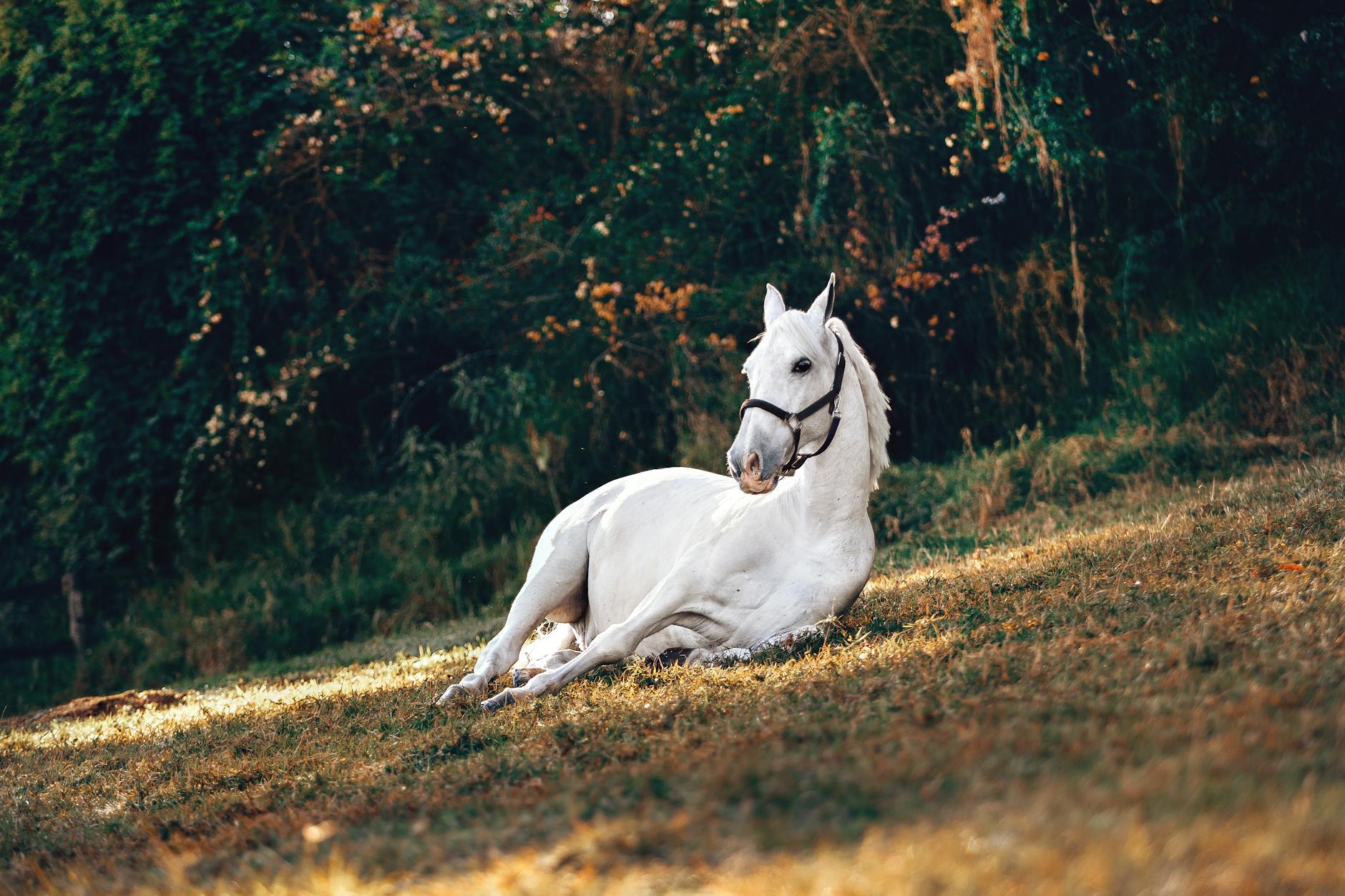
Equine colic is quite literally a life-or-death situation and one of the most stressful parts of horse ownership. Some forms of colic are preventable with some knowledge and care, others can be more unpredictable. Let’s explore equine colic, what a colicky horse looks like, and what kind of treatment and prevention options there are.
What is Colic in Horses?
Colic is technically a clinical symptom rather than a diagnosis. The word colic identifies abdominal pain in horses experiencing conditions related and unrelated to the digestive tract. Cases of colic can vary from mild to severe, with the most severe cases leading to surgical intervention, humane euthanasia, or unassisted death. Identifying colic signs early is key to early intervention either with treatment on the farm or at your vet’s clinic.
Signs Your Horse Could be Colicking
It’s important to remember that not every horse will demonstrate every sign of colic similarly. Some horses are more stoic, meaning they don’t outwardly show much of their pain. Others are a little more dramatic and show their discomfort more openly.
Colicky behaviors include:
- Pawing with their front feet or kicking at their belly with hind feet
- Looking or biting at their flank or stomach area (standing or lying down)
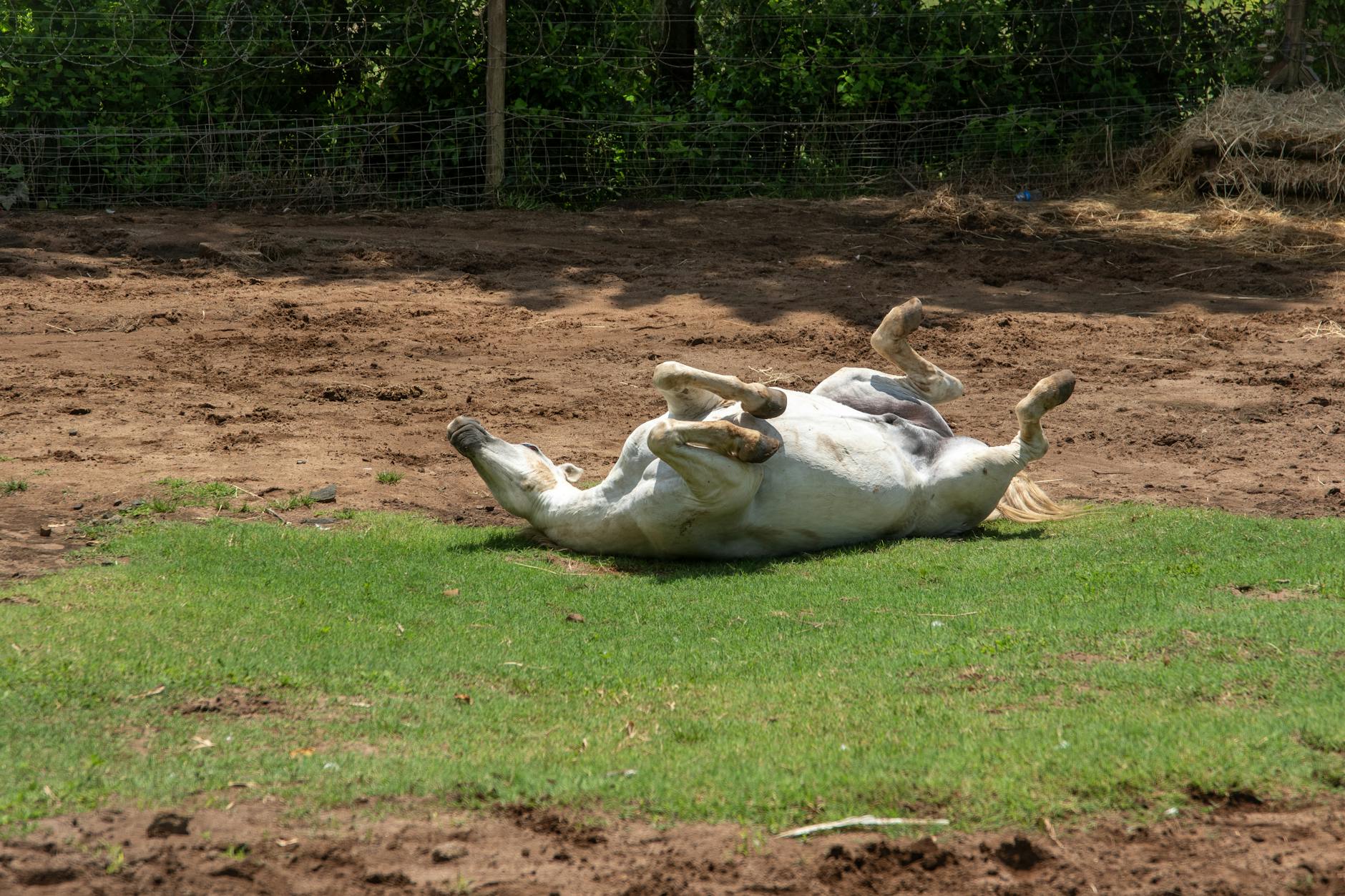
- Frequent rolling episodes or thrashing
- Sweating
- Stretching out (as if to urinate)
- Decrease in bowel movements
- Loss of appetite (not finishing meal or loss of interest in hay)
- Backing up in the pasture
- A change in expression
- Tight, drawn up abdomen
- Strained eye, cheek, or lip muscles
- Other signs of irritation such as tail swishing, stomping, or head tossing
Vital signs consistent with colic can include, but are not limited to:
- Decreased or poor gut sounds
- Elevated heart rate
- Fever
- Increased respirations (heavy breathing)
What Do I Do If My Horse Is Colicking?
First, remove access to all hay and grain. Second, try taking a set of vital signs, including heart rate, temperature, and respiration rate. Keep track of your horses’ symptoms and severity while you call your vet to let them know what’s happening. They can recommend further courses of action at that point.
Milder cases of colic can often be solved without significant veterinary intervention, such as hand-walking to encourage gut motility, water intake, and time. Knowing colic symptoms and keeping your vet informed if you suspect your horse is colicking is crucial.
Types of Equine Colic and Treatment Options
Certain types of colic are more manageable than others and require different treatments. These treatments range from fluid administration to surgery, but all start with removing a horse’s access to hay and grain/forage pellets.
Something to remember with owning large animals is that humane euthanasia is often an option if a condition is severe enough. Often, severe colic may require surgery, but the condition is too advanced for a horse to make it safely to a veterinary clinic with an operating room. In other cases, horses may be colicking and very advanced in age and will likely not survive surgery or be at risk of undue suffering.
Impaction Colic
Cause: Impaction colic is caused by intestinal obstruction in either the small or large intestine. It can be brought on by dehydration, a high tapeworm or ascarid load, or sand accumulation.
Treatment: Veterinary administration of laxatives, fluids, and/or pain medications. Surgery may be warranted in severe cases.
Gas Colic (Tympany or Flatulent Colic)
Cause: Microbes may produce excessive gas in response to a sudden diet change, dietary issues, or stress, which can lead to distention or, in severe cases, move the colon out of place.
Treatment: Mild gas colic cases can clear up on their own. Severe gas colic often requires a vet to insert a nasogastric tube into the stomach to relieve the gas buildup.
Distention or Stomach Rupture
Cause: Distention or stomach rupture is from gas buildup in the stomach caused by overeating fermentable feeds (think a horse that got into the feed room during the night), lush grass, beet pulp, or large amounts of water.
Treatment: Veterinary intervention to relieve the gas buildup. Stomach rupture is fatal.
Adhesions
Cause: Generally affecting the small intestine, adhesions often affect horses after abdominal surgery. Scar tissue builds up around the intestines and can squeeze or kink them.
Treatment: Surgery to remove the adhesions, medications to try and reduce new adhesion formation.
Lipomas
Cause: Fatty tumors that can wrap around part of the intestine, cutting off blood flow.
Treatment: Surgery to remove the tumor and any necrotic intestine.
Intestinal Twisting (Torsion)
Cause: The intestine rotates around the attachment to the abdominal wall, reducing blood supply.
Treatment: Surgery to reorient the intestine and remove any necrotic intestine.
Inguinal Hernias
Cause: Most common in male horses (geldings or stallions) and can occur after breeding, trauma, or hard workouts. Part of the intestine passes from the abdomen into the inguinal canal that connects the testes to the abdomen, restricting blood flow and intestinal motility.
Treatment: A vet may effectively reduce the hernia by pushing the intestine back into the abdominal cavity, but usually within the first few hours of the hernia occurring. Surgery is recommended for advanced cases and may include removing the testicle on the affected side, as well as any damaged intestinal tissue.
Enteroliths or Intestinal Stones
Cause: A hard mass forms (usually composed of magnesium ammonium phosphate crystals) around a foreign object in the large intestine. Over time, this stone may block intestinal flow entirely.
Treatment: Surgery to remove the stone.
Gastroparesis (Delayed Gastric emptying)
Causes: Mechanical failure of the stomach muscles, Equine Glandular Gastric Disease (EGGD), or overall stomach wall motility issues.
Treatment: Veterinarian-guided diet changes may include limiting hay access, increasing hydrated forage pellets, and allowing access to fresh green grass.
Other Types of Colic
Other causes of colic can include colitis, spasmodic colic, even some types of cancers.
How to Prevent Colic
Unfortunately, not all colics are preventable, but for the more common types of colic, some steps can reduce your horses’ risk of a seriously dangerous event.
Impaction colic, caused by less-than-adequate hydration, is the most preventable colic. Horses often experience this colic when the weather changes abruptly or during extra cold spells during Winter. Helping your horse drink more water in the cold months of the year is one of the best ways to prevent hydration-related colic episodes.
Sand colic is another preventable colic, though sometimes it’s caused by sand that the horse ingested before it came to live with you. Around my area in Eastern NC, we naturally live on a lot of sand, so our vets recommend a 7-day sand cleanse every month, and we feed in slow-feed hay nets kept off the ground whenever possible. Checking your horses’ manure for sand is a great way to see how much sand may be lingering in the digestive tract and if your horse could benefit from a monthly sand treatment.
Remember, colic can be fatal. If you think your horse might be experiencing a colic episode, get your vet on the line ASAP. While it’s never something a horse owner wants to deal with, all of us will experience a horse colic at least once, and it’s better to be educated an prepared rather than caught off guard.
Until next time, stay in the middle and hold on to your rope!
 Part-Time Cowpoke