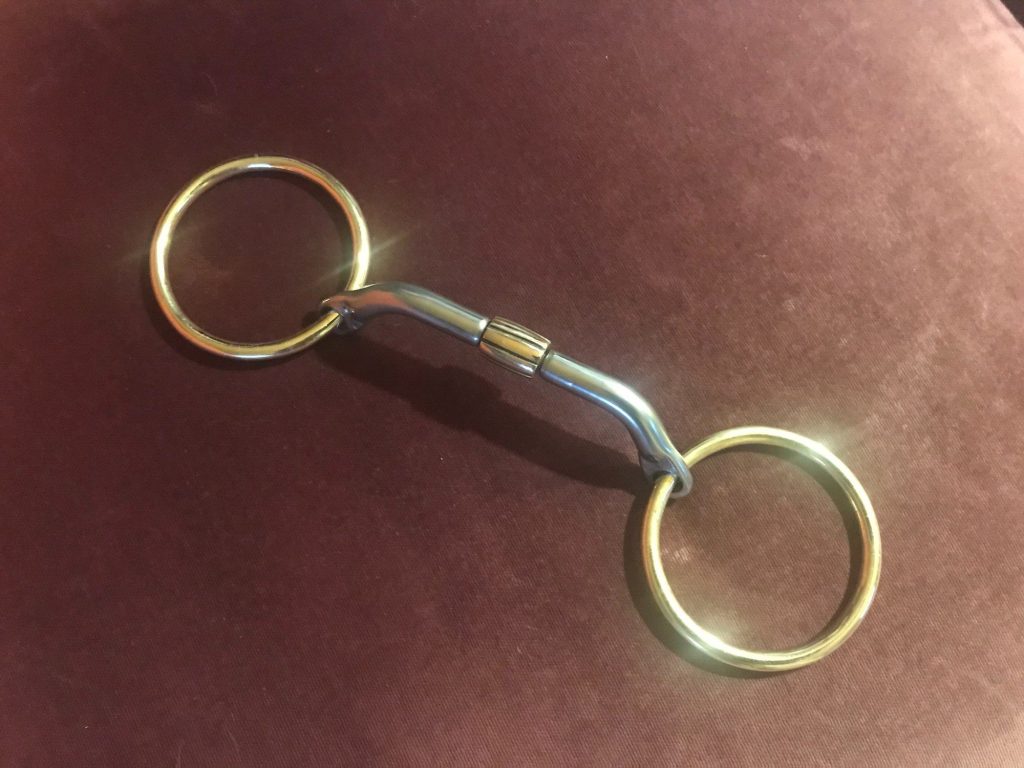
I love exploring and figuring out new pieces of equipment used in the horse industry, especially when they are from the vaquero and bridle horse realm. As one does on rainy days, I came across a TikTok of a new type of snaffle bit called the Missing Link Snaffle. It’s a non-jointed, loose-ring snaffle with a cricket roller in the center.
Personally, I’m a huge fan of crickets in half-breed and spade bits. I love the sound, I love the rhythm a horse can keep with it while working, and I love that it can help horses occupy a busy mind or give you a better clue as to their level of anxiety while working.
Why Try It?
Ultimately, the maker of this bit and his program/website The Disciplined Ride sold me on this bit. I’ve never been one for gimmick devices, and I find the simpler the mechanics, the more clearly I can communicate what I want to a horse. The Missing Link snaffle appears to be the opposite of gimmick device. it has a thoughtful and intuitive design, and is the only snaffle I have found on the market with a cricket instead of a roller.
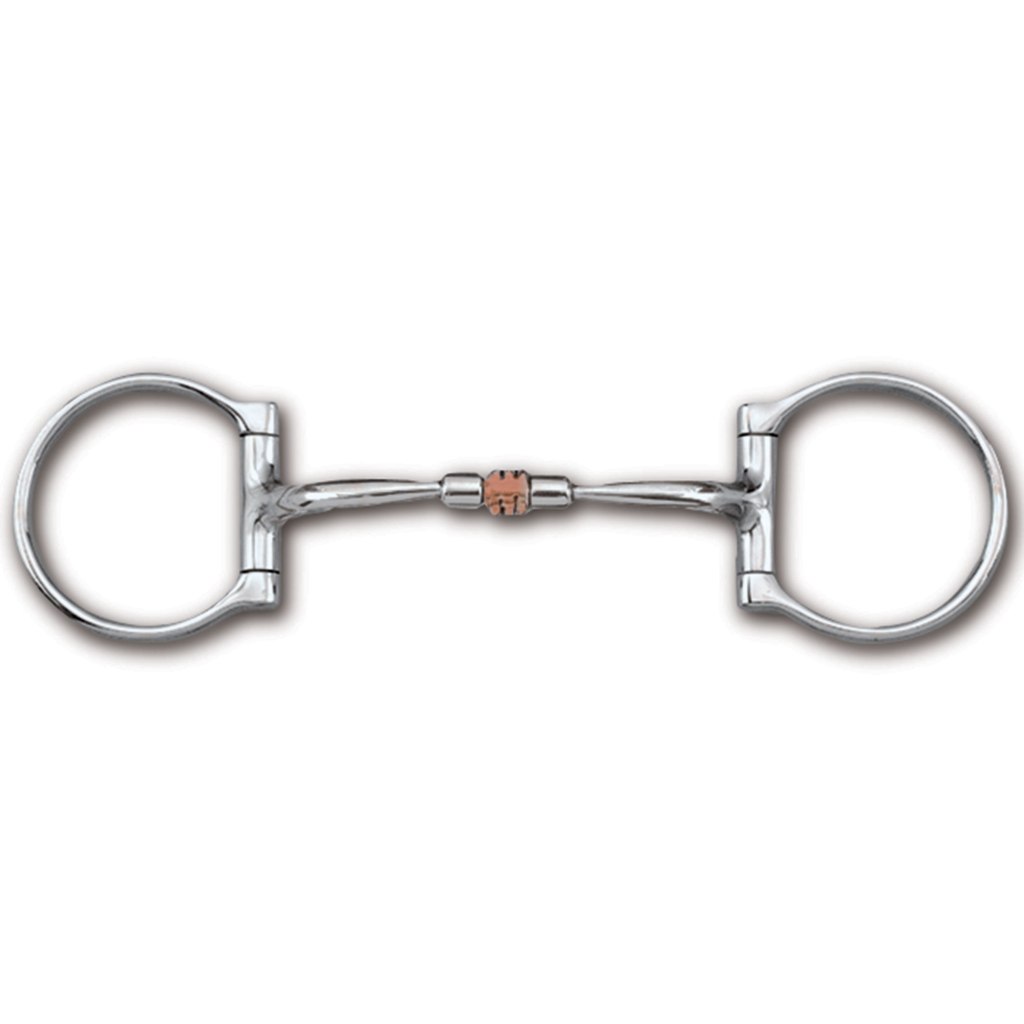
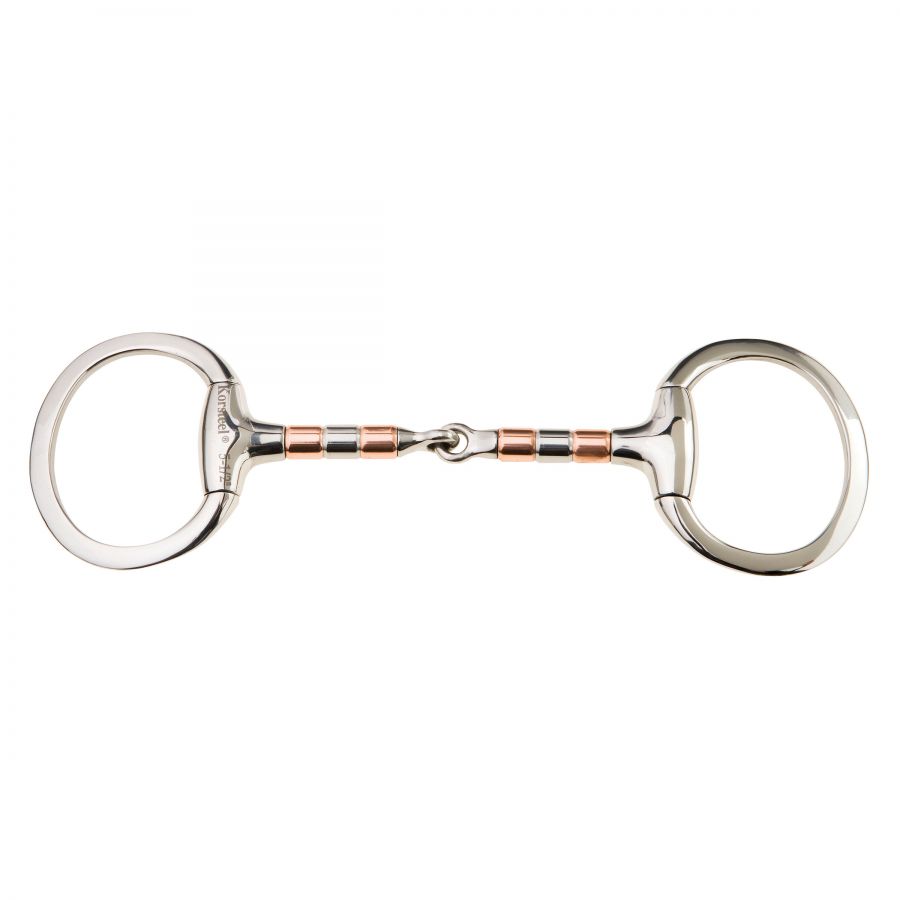
Why don’t I just get a snaffle with a roller piece? Personal preference. I love the sound of a cricket and don’t mind a noisy bit, as long as it’s not a horse grinding their teeth on it. Many of the roller snaffles have a different connection from the bars to the rings as well, and I really like the angled “pre-signal” area of the Missing Link.
The Bit Maker
Pat Puckett is a bridle horseman with a passion for the Californio bridle horse process. He designed this bit to sit wide in most horses’ mouths to allow for pre-signal time, signal, and anxiety relief. This bit is not jointed but maintains the base mechanics of a simple snaffle without the nutcracker effect that can happen when the mouthpiece breaks when both reins are engaged.
He explains in his video and website page that he designed this bit for colt starting or for general riding purposes and says that it’s a great option to start with before moving up to a “western” bit (one with a port and shanks) if a rider is planning to show.
While I follow a more Vaquero approach to my horsemanship, there are not too many theoretical differences, and I respect Pat’s 50 years of experience in ranching and riding with this horsemanship.
My Lost Creek mare Rumchata has a busy mind, always turning, always thinking; she remembers an incredible amount and tends to get bored and impatient when learning simple things; when this happens, she thinks of a million other answers to questions or starts to anticipate and every once in a while it’s hard for me to catch it before it turns into a bit of a tantrum.
She doesn’t have a mean streak in her, but she’s so athletic it can be hard to, well, match that when her reaction time is significantly quicker than mine. I honestly think she would benefit from the cricket more than anything, and I’m pleased with the other design aspects of this bit as well. I think it’ll allow her to keep her mouth from tensing up and give her something to take her impatience out on in a more constructive way while we’re working through some boring skills.
What I Ride In Now
I regularly ride in a loose ring, single-joint snaffle. I have two that are older than I am that I snagged from a storage-designated semi-trailer made of sweet iron and one that is a more brass material with some extra weight in the hinges and flat cheek rings. I like both and have no idea who the makers of either are.
I generally like a bit that has more feel and weight to it, but I don’t generally care for the typical “weighted” snaffle bits you see on the market–you know, the ones with the weighted cheeks that look like a thinner version of a donut. The purpose behind this style of weighted snaffle is to communicate a signal more clearly from the rings before the mouthpiece is engaged.
I generally don’t have much of a need for this bit because I ride with slobber straps-pieces of leather folded over the bit rings and how you attach a mecate rein to your headstall. This provides a similar weight to an unweighted snaffle’s rings, and they’ve been working well for me so far.
I’m not knocking those that use weighted snaffles; I’ve generally seen them used with split reins; I don’t ride my colts in split reins. The last time I did, my hand coordination did not serve me well in a particular wreck, and I ended up trying to rely on a split rein tail to bend a horse around (spoiler alert, it did nothing of the sort, and I ended up kissing the wall of the round pen, and then the ground shortly after).
When Does It Get Here?
I ordered this back in the beginning of September, and on Pat’s website, it says they are 3-4 weeks behind on fulfilling orders. I just received a shipping confirmation email today, so I’m hoping my mare can try the Missing Link snaffle sometime later this week!
A full review will follow, including how my horse rides in it. I’m excited, y’all. I can’t even tell you. If this isn’t what it’s cracked up to be, I will be sorely disappointed.

For an updated, extended review, click here
Disclaimer
My gear reviews aren’t sponsored or paid for by companies. I don’t get solicited or sought out by folks to review their products so they can sell more; these are items I’ve bought with my own money and have likely gone over budget for (to the dismay of my financial advisor).
I don’t have any reason to hype up a product or to misrepresent it. I like researching gear and products I will regularly use, and I find that it’s hard to come upon genuine opinions and reviews of certain things in my industry, like saddles, ropes, bits, etc., that I can use to decide whether to drop some hefty chunks of change into them if I need to.
I hope y’all stay on for the ride! I’ll be writing to y’all again soon.
 Part-Time Cowpoke
2 responses to “Missing Link Snaffle Review, Part 1”
how’s the missing link snaffle go? I’m thinking of getting one too!
LikeLike
I’m loving it so far! I’m learning it fits certain horse situations better than others, but overall, I’m very pleased with how it operates and can lend that extra signal clarity at times.
LikeLike